Learn Arabic Online with a Certified Levantine Arabic Tutor: Levantine Arabic is the everyday language of Lebanon, Syria, Jordan, and Palestine, spoken by around 42 million people and understood far beyond the region. It is the Arabic of family dinners, busy markets, popular TV dramas, and late-night conversations with friends. If you want to talk with people rather than just read about them, Levantine Arabic is one of the most rewarding dialects you can learn.
At Learn Levantine Arabic Online, you learn in private, one-to-one lessons with a certified native tutor. Your lessons are live from day one, so you start speaking immediately, and each session is built around your goals, your level, and the variety of Levantine Arabic that matters most to you.
Whether you are planning a move to Amman or Beirut, connecting with family, or working in the region, this guide explains how our online Levantine Arabic lessons work, what you will learn, and how to begin with a free trial lesson.
Book a Free Levantine Arabic Trial Lesson Online
Take your first step with a free online trial lesson. You will meet your certified tutor, discuss which Levantine variety you want to focus on, and try a real one-to-one lesson. There is nothing to pay and nothing to commit to, just an easy way to see how quickly you can start speaking.

Table of Contents
Why Learn Levantine Arabic Online?
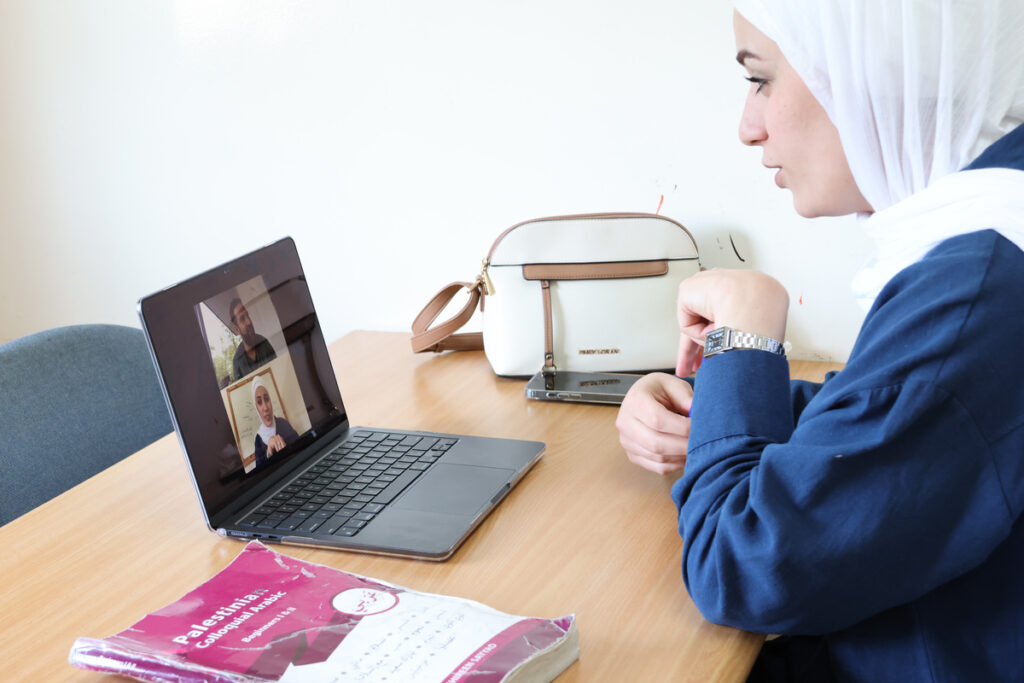
Online lessons bring a native Levantine tutor to you, wherever you live. You hear authentic pronunciation, practice real conversations, and get instant feedback without traveling to the Middle East. All you need is a laptop or phone and a reliable connection.
Learning online also gives you control over your schedule. You decide when to study, how many hours to take each week, and which topics to prioritize. That flexibility makes it possible to learn steadily alongside work, studies, or family life.
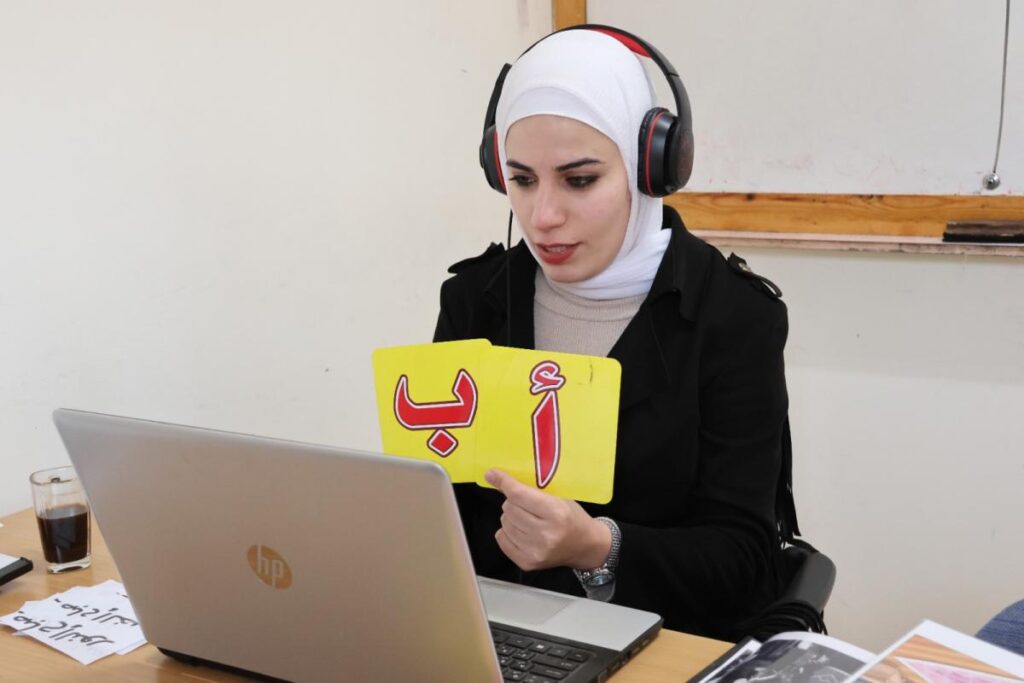
Above all, private online lessons focus on speaking. Instead of sitting in a large class, you spend the whole session talking, listening, and responding, which is exactly how a spoken dialect like Levantine Arabic is learned best.
Learners choose Levantine Arabic for many reasons:
- Moving to Lebanon, Syria, Jordan, or Palestine for work or study
- Communicating with a partner, in-laws, or relatives from the Levant
- Traveling across the region and connecting with local people
- Following Levantine TV series, films, and music
- Learning a dialect that is widely understood across the Arab world
What Is Levantine Arabic?
Levantine Arabic, also known as Shami Arabic, is a group of spoken dialects used in the Levant, the eastern Mediterranean region that includes Lebanon, Syria, Jordan, and Palestine. In daily life, people simply call it Ammiyya, meaning the colloquial language they speak at home, at work, and on the street.
Linguists usually divide Levantine into two branches. Northern Levantine covers the dialects of Lebanon and Syria, while Southern Levantine includes Jordanian and Palestinian Arabic. All four varieties share the same grammar and most of their everyday vocabulary, so learning one gives you access to all of them.
Levantine Arabic is also one of the most widely understood dialects in the Arab world. Because of its popularity in television, film, and music, speakers in Egypt, the Gulf, and North Africa are often familiar with it, making it a practical choice for anyone who wants to communicate across the region.
Learn Levantine Arabic with a Certified Levantine Arabic Tutor
Certified, experienced native Levantine Arabic tutors teach your lessons and specialize in teaching Arabic to non-native speakers. They balance clear structure with real conversation, so every lesson has a purpose and every minute is spent using the language.
With a certified native tutor, you can expect:
- Authentic Levantine pronunciation and natural, everyday expressions
- Instant correction and clear explanations
- A speaking-first approach, with reading and writing included when you need them
- Lessons focused on the Levantine variety of your choice
- Cultural insights from across the Levant
- Regular feedback that shows you how far you have come
Beginners are guided by tutors who explain everything clearly in English, while more advanced learners spend most of the lesson in Arabic. As your confidence grows, your tutor gradually raises the challenge.
Our Online Levantine Arabic Courses
Wherever you are starting from, there is a Levantine Arabic course that fits your stage, along with focused options for conversation and travel.
Beginner Levantine Arabic Course
Designed for learners with little or no Arabic, the beginner course introduces the language’s sounds, greetings, numbers, and the essential phrases you need for everyday life. You will quickly be able to introduce yourself, ask simple questions, and talk about your routine.
Intermediate Levantine Arabic Course
The intermediate course builds your vocabulary and helps you speak in longer, more natural sentences. You will talk about work, travel, shopping, and social life, describe past experiences, and share your opinions with growing confidence.
Advanced Levantine Arabic Course
At the advanced level, you will discuss complex topics, follow fast native speech, and work with authentic material such as interviews, songs, and TV clips. You will also learn to recognize the differences between the Levantine varieties and understand speakers from across the region.
Levantine Arabic Conversation Course
For learners who already know the basics, the conversation course focuses on fluency. Lessons focus on discussion, role-plays, and real-life situations that keep your Levantine Arabic active and help you speak more freely.
Levantine Arabic for Travel
Heading to the Levant? This course prepares you for the moments travelers meet most often, from ordering food and shopping in markets to taking taxis, asking for directions, and chatting with your hosts.
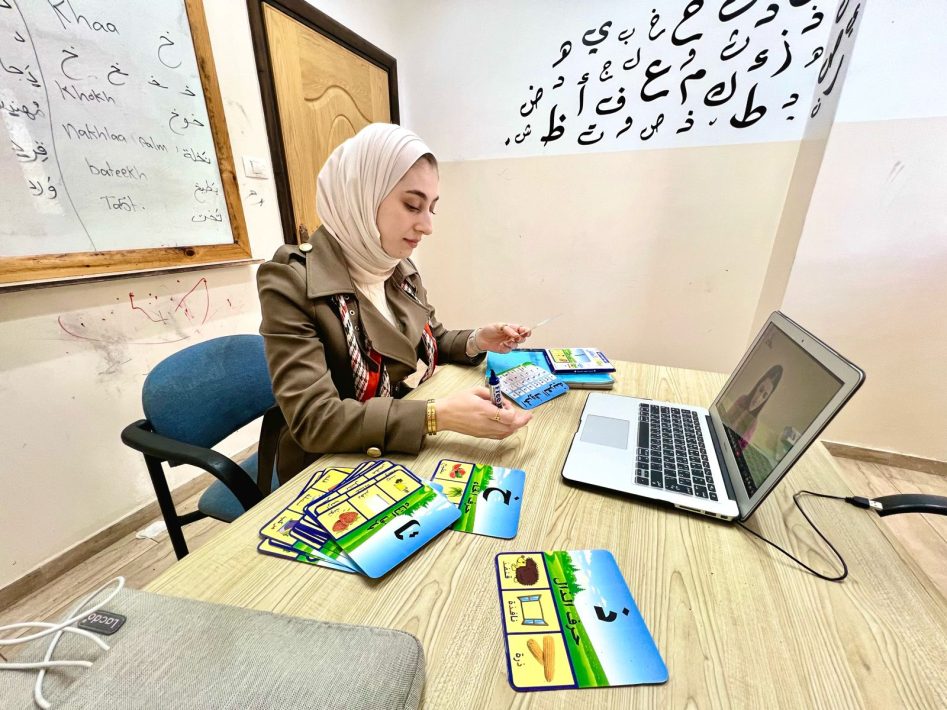
What Will You Learn in the Levantine Arabic Course?
Lessons are adapted to your goals, but most learners cover topics such as:
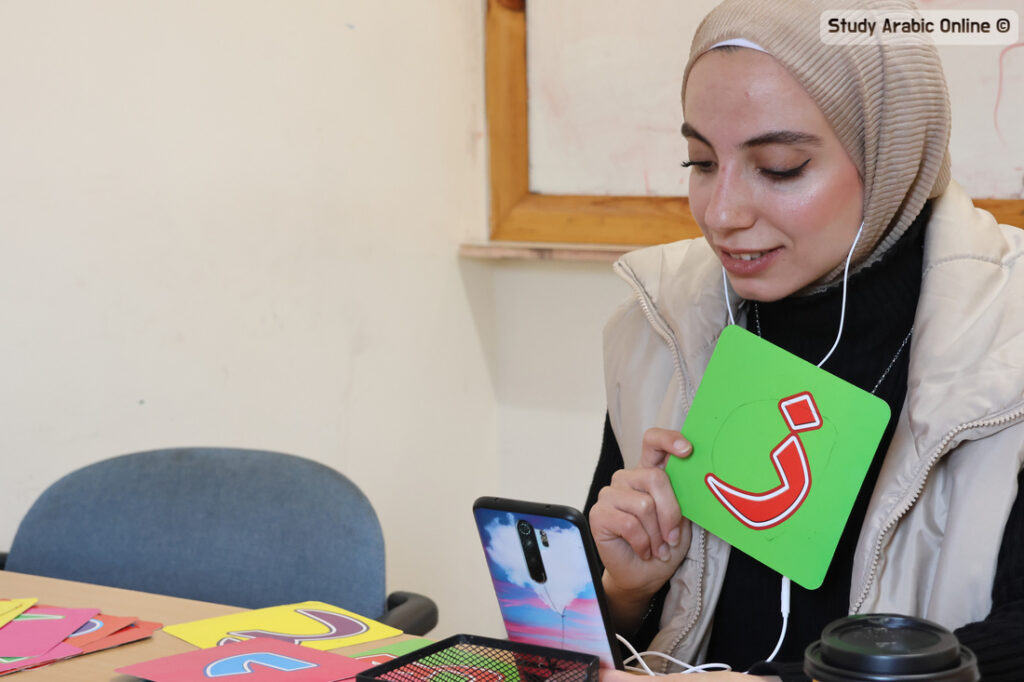
- Levantine pronunciation and sounds that are new to English speakers
- Greetings, introductions, and polite expressions
- Numbers, prices, dates, and telling the time
- Family, friends, and relationships
- Food, restaurants, and hospitality customs
- Shopping and bargaining in local markets
- Taxis, buses, and getting around
- Asking for and giving directions
- Work, study, and daily routines
- Health, appointments, and practical errands
- Key differences between Lebanese, Syrian, Jordanian, and Palestinian Arabic
- Culture, humor, and social etiquette across the Levant
Every topic is practiced through conversation, so what you learn becomes part of how you speak.
Learn Levantine Arabic Online: Course Overview
| Feature | Details |
|---|---|
| Dialect | Levantine Arabic (Lebanese, Syrian, Jordanian, Palestinian) |
| Lesson format | Private one-to-one |
| Lesson length | 45 minutes |
| Course length | 10 to 100 hours, chosen by the student |
| Hours per week | 2 to 20, flexible |
| Levels | 6, from starter to advanced |
| Participants | 12 to 75 years old |
| Online platforms | Zoom, Skype, WhatsApp, and others |
| Days of the week | Saturday to Friday |
| Class times | Flexible, in any time zone |
| Learning materials | |
| University credit | Available |
| Fees | See our fees and payment options |
Lebanese, Syrian, Jordanian and Palestinian Arabic: Which Should You Learn?
All four Levantine varieties are closely related, and speakers from each country understand one another without difficulty. That means you can choose the variety that fits your plans and still communicate across the whole region.
The differences lie mainly in pronunciation, a few common words, and local expressions. Here is a quick guide to what makes each one distinct:
- Lebanese Arabic: melodic and expressive, with many French and English loanwords in everyday speech
- Syrian Arabic: especially the Damascus dialect, widely heard in TV dramas and often considered the classic form of Shami
- Jordanian Arabic: practical and widely used in Amman, with rural and Bedouin influences in some areas
- Palestinian Arabic: rich in regional variation between cities, villages, and Bedouin communities
If you are not sure which to choose, your tutor can help you decide based on where you will use the language and who you want to talk to.
Who Can Learn Levantine Arabic Online?
Our Levantine Arabic lessons are open to learners from every background, including:
- Complete beginners starting from zero
- Learners who know some Arabic and want to focus on the spoken dialect
- Partners and spouses of Levantine speakers
- Heritage learners who understand the dialect but want to speak it confidently
- Professionals relocating to the Levant
- University students of Arabic or Middle Eastern studies
- Journalists, researchers, and aid workers in the region
- Diplomats and NGO staff
- Travelers planning a trip to the Levant
- Anyone who wants a flexible way to learn Arabic from home
Whatever brings you to Levantine Arabic, your tutor will shape your lessons around it, so you learn the language you will actually use.
Why Learn Levantine Arabic with a Certified Online Tutor?
A certified tutor gives you the structure and personal support that make real progress possible:
- A clear learning plan with measurable progress
- Expertise in the challenges English speakers face with Arabic
- Live, personal lessons focused on your goals
- Much more speaking time than in a group class
- Gentle, immediate correction of mistakes
- Learning materials provided as PDF
- Flexible scheduling across time zones
- A certificate of completion from Learn Levantine Arabic Online at the end of your course
Choose the Right Levantine Arabic Course for You
Here is a brief overview of the available options:
1. Palestinian Arabic Online Course
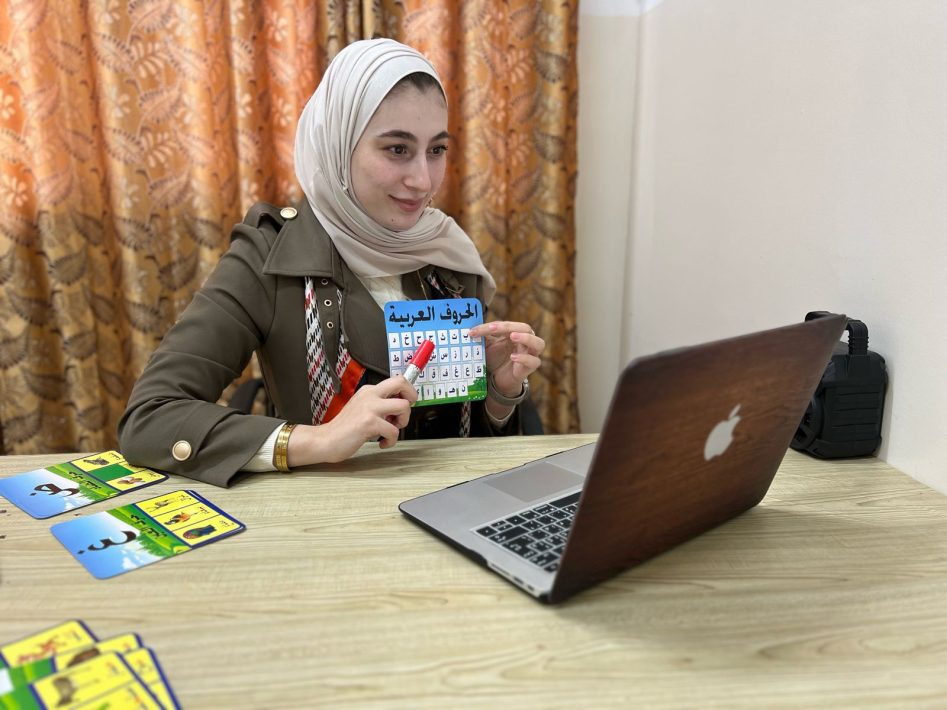
Palestinian Online Course: The Palestinian dialect, a colloquial form of Arabic known as Ammiya, belongs to the Southern Levantine dialect group and is widely spoken across Palestine. Notably, this dialect closely resembles Modern Standard Arabic, or Fusha, making it a practical choice for learners seeking to improve conversational skills and formal Arabic comprehension.
Because the Palestinian dialect preserves many aspects of classical Arabic pronunciation, with only minor adjustments, it can serve as an entrance point for understanding Fusha. Thus, mastering this dialect not only enables effective communication in Palestine but also strengthens your proficiency in Standard Arabic.
2. Studying Ammiyya Arabic Online
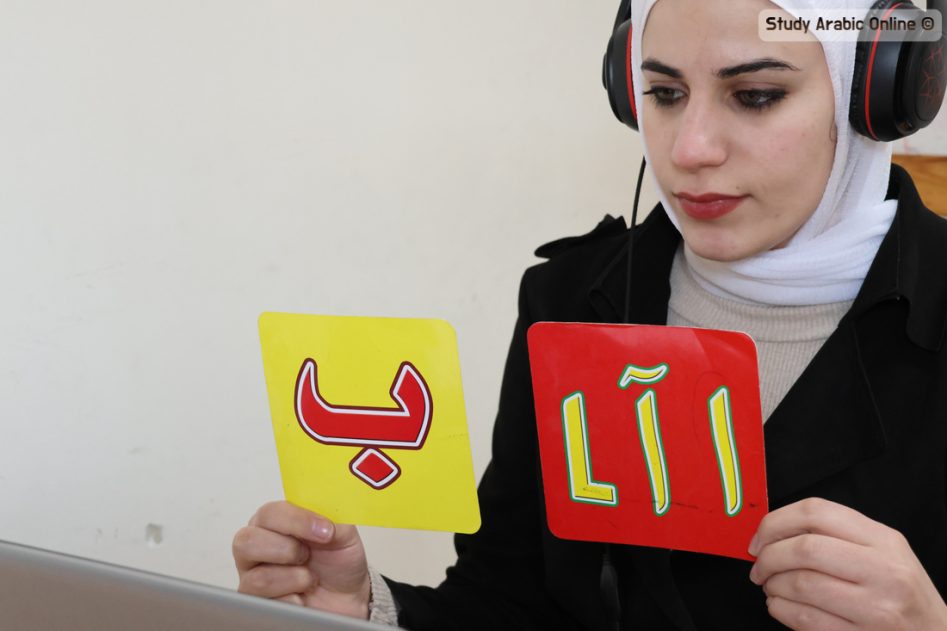
Studying Levantine Arabic Online: Levantine Arabic, also known as Shami Arabic or the Ammiyya dialect, is a fantastic option for those who want to learn this widely spoken and increasingly important dialect from the comfort of their home. Spoken by approximately 42 million people across Jordan, Palestine, Lebanon, and Syria, Levantine Arabic is a cornerstone of the Levant region. People across the broader Middle East and North Africa (MENA) region can easily understand it.
This dialect bridges linguistic gaps, enabling communication with people in countries like Egypt, Morocco, Tunisia, and the Gulf states. Studying Levantine Arabic online lets you immerse yourself in the language, practice with other learners, and build the skills needed to connect with diverse communities across the Arab world.
3. Jordanian Arabic Online Course
Jordanian Online Course: Learn Levantine Arabic Online offers a range of Jordanian Arabic online programs tailored to help non-Arabic-speaking expatriates integrate. Our courses emphasize practical conversation and focus on vocabulary relevant to daily situations. Jordanian Arabic, also known as Jordanian Colloquial Arabic (Ammiya Jordanian Arabic) or simply Jordanian, is a variant of Arabic spoken in Jordan. It falls under Levantine Arabic (Shami Arabic), a group of Arabic dialects spoken in the Levant, including Jordan, Lebanon, Syria, and Palestine.
Unlike Modern Standard Arabic, which is used in formal settings and written communication, Jordanian Arabic is the spoken language of everyday conversation. It reflects the local culture and incorporates colloquial expressions specific to Jordan. Proficiency in Jordanian Arabic is especially advantageous for expatriates or anyone seeking to communicate effectively with the local Jordanian community.
4. Study Lebanese Arabic Online Course
Lebanese Online Course: Learn Levantine Arabic Online offers live, interactive group courses and private lessons in Lebanese Arabic year-round (spring, summer, fall, and winter). Our experienced teachers work with learners of all ages to improve their Arabic proficiency, especially Lebanese Arabic. Our group courses follow an organized curriculum called Lebanese Arabic from Scratch, designed for learners of all abilities.

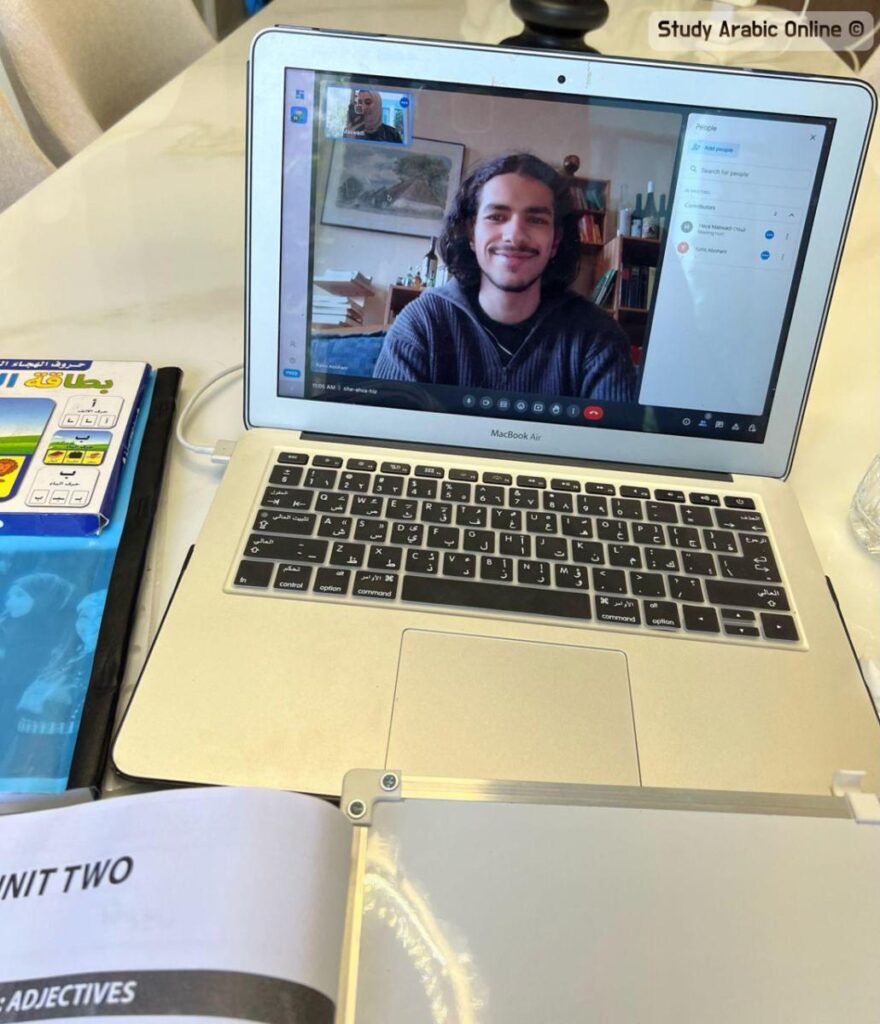
Whether you are just beginning your Arabic journey or are already an advanced learner, one of our courses will be the right fit, with multiple difficulty levels. Lebanese Arabic, also known as the Ammiyya dialect, is a variety of Levantine Arabic (Shami Arabic) native to Lebanon. Because of significant influences from other Middle Eastern and European languages, it differs from other Arabic dialects.
5. Syrian Arabic Online Program
Syrian Online Course: The Study Syrian Arabic Online Program is a valuable opportunity for those who want to learn and study the increasingly relevant and critical dialect (also known as Ammiya, Shami, or Levantine Colloquial Arabic) and practice with other students. Shami Arabic is spoken by nearly 42 million people in four Arab countries: Jordan, Palestine, Lebanon, and Syria.
Syrian Arabic (Levantine dialect) is the most easily understood dialect for people in the MENA region (including countries of the Gulf and Arab countries in the northernmost areas of the African continent, such as Morocco, Tunisia, Algeria, Egypt, and Libya) and is the dialect most similar to Modern Standard Arabic. Its wide comprehensibility lets speakers communicate with a broad audience of Arabic speakers. Thus, learning the Shami dialect is a gateway to connecting with people across a wide, culturally diverse region.
How the Online Levantine Arabic Course Works
1. Book a Free Trial Lesson
Complete a short form to book your free trial lesson. You will meet your tutor, try a real lesson, and talk about your goals and preferred Levantine variety.
2. Choose Your Program
After the trial, decide how many hours you want and how often you would like to study. Our pricing page lists all current fees.
3. Start Your Lessons
Your tutor creates a plan around your level and goals, and lessons begin at times that suit you. Each 45-minute session mixes conversation, new vocabulary, and practice.
4. Practice Between Lessons
Review your notes, listen to Levantine songs or clips, and use new phrases whenever you can. Short daily practice makes each lesson more effective.
Reviews and Community Awards
Learn Levantine Arabic Online has earned several prestigious Community Awards and been recognized as the Best Language School and Top Volunteer and Internship Program Provider for 2019, 2021, 2022, 2023, 2024, and 2025. For more details, please visit our profiles on GoOverseas.com and GoAbroad.com.





- +1000 reviews (96%) on gooverseas.com
- +190 reviews (96%) on goabroad.com
- Participants’ video testimonials
- Our Awards
Start Learning Levantine Arabic Online Today
Levantine Arabic opens the door to four countries, millions of speakers, and a culture known for its hospitality, music, and storytelling. Learning the spoken dialect lets you join everyday conversations, understand the people around you, and build real connections across Lebanon, Syria, Jordan, and Palestine.
With Learn Levantine Arabic Online, you learn in private lessons with a certified native tutor who tailors every session to you. You choose your variety, your hours, and your schedule, and you move step by step from your first words to confident, natural conversation.
The easiest way to start is to try a lesson. Book your free trial lesson, meet your tutor, and begin speaking Levantine Arabic with confidence.
Contact Us
If you have any questions, please feel free to contact us at:
Instagram: https://www.instagram.com/excellence.center
Facebook page: https://www.facebook.com/ExcellenceCenter
